
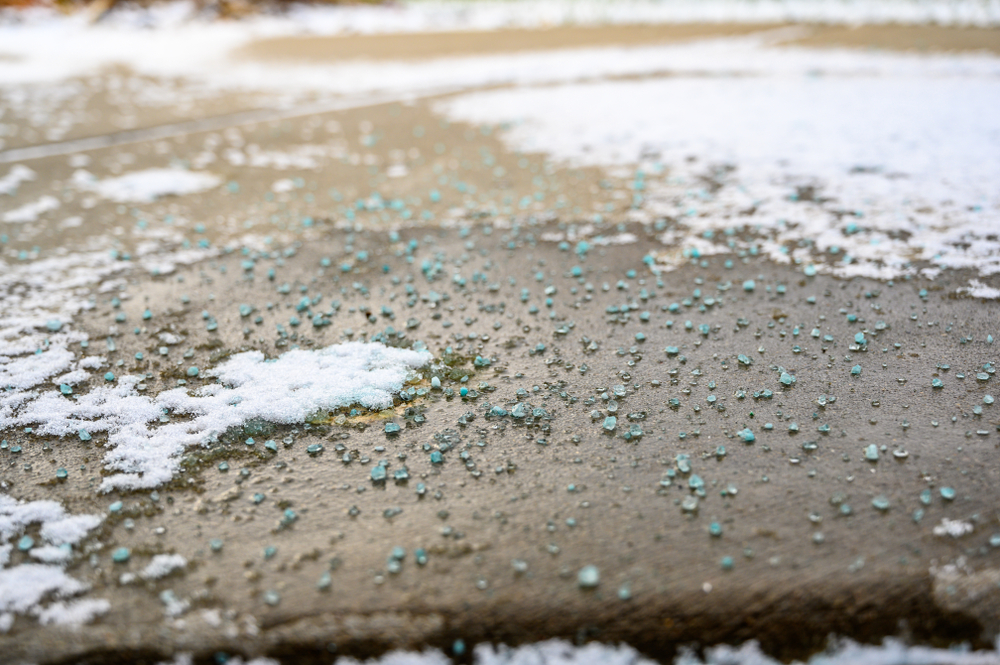
Salt vs. Ice Melt: What to Use on Your Driveway (And What to Avoid)
Winter weather can wreak havoc on your driveway if you aren’t using the right materials to protect it. The choice between traditional rock salt and modern ice melt products is one that homeowners face every year when the temperatures drop. But if your driveway is paved with asphalt, this decision becomes more critical. The right choice will help preserve the longevity and look of your pavement, while the wrong one can lead to costly repairs and premature damage. If you’re located in Memphis, TN, where weather patterns can shift rapidly, understanding the nuances of these materials is especially important.
Here’s what you need to know when choosing between salt and ice melt for your driveway, especially if you’ve recently invested in professional asphalt paving or are planning to hire asphalt paving companies or asphalt paving contractors in the near future.
The Differences Between Salt and Ice Melt
Salt, commonly known as rock salt or sodium chloride, has been the traditional go-to for melting ice on roads and driveways for decades. It works by lowering the freezing point of water, which helps melt the existing ice and prevents further accumulation. However, rock salt is only effective at temperatures down to about 15°F. Beyond that, it loses its efficacy and becomes practically useless in severe cold spells.
Ice melt, on the other hand, is a term used to describe a variety of chemical blends, including calcium chloride, magnesium chloride, and potassium chloride. These compounds can work at much lower temperatures, with some varieties effective down to -25°F. Ice melt tends to work faster than rock salt and is often less harmful to surrounding vegetation. But not all ice melt products are created equal, and the chemical composition matters greatly in terms of its impact on asphalt driveways.
When deciding between salt and ice melt, understanding how each substance interacts with your asphalt driveway is key. While both can achieve similar results in keeping your driveway clear of ice, their long-term effects on the integrity of your pavement are vastly different.
How Rock Salt Affects Asphalt Driveways
Rock salt is both widely available and inexpensive, which makes it attractive for homeowners looking to manage snow and ice buildup on a budget. However, its effects on asphalt can be destructive over time. The freeze-thaw cycle that salt encourages is one of the leading causes of asphalt degradation.
Here’s how it works: rock salt melts the ice, which turns into water. That water seeps into the small cracks and pores in your asphalt. When the temperature drops again, the water freezes, expands, and forces the asphalt apart. Over repeated cycles, this leads to crumbling, potholes, and other structural problems.
In a city like Memphis, TN, where winter temperatures often fluctuate above and below freezing, these freeze-thaw cycles are common. That means using rock salt can accelerate wear and tear on your driveway, especially if it wasn’t installed or maintained by experienced asphalt paving contractors. In addition, rock salt can corrode metal structures nearby and cause stains on your driveway, making it look aged and worn out before its time.
The Benefits and Risks of Ice Melt Products
Ice melt products offer an alternative to traditional rock salt with several advantages. Many ice melts work more quickly and at lower temperatures, which can be a game-changer in particularly cold climates or during overnight freezes. They often leave behind less residue and are marketed as being safer for plants, pets, and hard surfaces.
Calcium chloride, for example, is one of the most effective ice-melting agents. It absorbs moisture from the air, which allows it to begin working almost instantly. Its lower freezing point also means that you can avoid multiple applications and reduce overall chemical exposure to your asphalt.
However, not all ice melt products are benign. Some blends include urea or ammonium nitrate, which can be extremely harmful to asphalt surfaces. These chemicals can cause chemical burns, degrade the binder in the asphalt, and reduce the lifespan of your driveway significantly. For this reason, it’s essential to read product labels carefully and choose ice melts that are asphalt-safe.
If you’ve hired professional asphalt paving companies in Memphis, TN, they can often recommend products that are compatible with the type of asphalt used on your property. That kind of localized expertise is crucial, as climate, pavement type, and usage patterns all influence what deicer will work best.
Factors to Consider Before Applying Any Deicer
Before throwing down any salt or ice melt, it’s important to assess the condition of your driveway. If your asphalt is already showing signs of wear, such as cracks, pitting, or surface erosion, you may want to avoid any deicing chemicals entirely and instead opt for physical removal methods like shoveling or snow blowing.
Proper drainage is another factor that can minimize damage. Water pooling on your driveway increases the risk of ice formation and subsequent cracking. Ensuring your driveway has adequate slope and drainage channels is one of the best long-term strategies for avoiding winter damage. This is something you can discuss with local asphalt paving contractors if you’re considering repairs or resurfacing.
Moreover, application methods matter. Overuse of either salt or ice melt can lead to chemical saturation of your asphalt surface, compounding any potential damage. Use a spreader to apply deicer evenly and only in areas where it’s truly needed. Avoid the temptation to overapply in the hopes of speeding up the melting process.
Timing also plays a role. Applying ice melt before snowfall can prevent bonding and make removal easier, whereas applying it too late can lead to refreezing and slippery conditions.
Best Practices for Maintaining an Asphalt Driveway in Winter
Whether you use salt, ice melt, or neither, the best approach to winter driveway maintenance always begins with preparation. Make sure your asphalt is sealed before the first freeze of the season. Sealing helps to protect the surface from moisture intrusion, reducing the impact of freeze-thaw cycles.
Clear snow promptly using a plastic shovel or snow blower to minimize surface contact that could lead to ice formation. Metal shovels can scrape or gouge the asphalt, especially if it’s freshly paved or resurfaced.
If you do choose to use a deicer, opt for those that are labeled as “safe for asphalt” and avoid products with harsh chemical compounds. Store them in a dry place and follow the manufacturer’s guidelines for application and cleanup.
Finally, monitor the condition of your driveway throughout the winter. Small cracks or holes should be addressed as soon as the weather allows to prevent further degradation. If your driveway has suffered significant damage due to winter weather or poor deicing choices, consulting with asphalt paving companies in Memphis, TN can help you assess your options for repair or replacement.
Conclusion
Choosing between salt and ice melt for your asphalt driveway is more than just a matter of convenience. It directly impacts the durability, appearance, and safety of your pavement throughout the winter season. Rock salt, while affordable and readily available, can cause long-term damage to asphalt, especially in climates that experience frequent freeze-thaw cycles like Memphis, TN. Ice melt products offer more flexibility and lower temperature performance, but their chemical makeup must be considered carefully.
If you’re unsure what to use, or if your driveway has seen better days, working with experienced asphalt paving contractors is a wise move. They can provide guidance on deicing products, perform necessary maintenance, and help you extend the life of your investment. In the end, a little knowledge and proactive care can go a long way toward keeping your driveway in top shape all winter long.
Got Questions? Let Us Help!




Categorised in: Asphalt Paving