
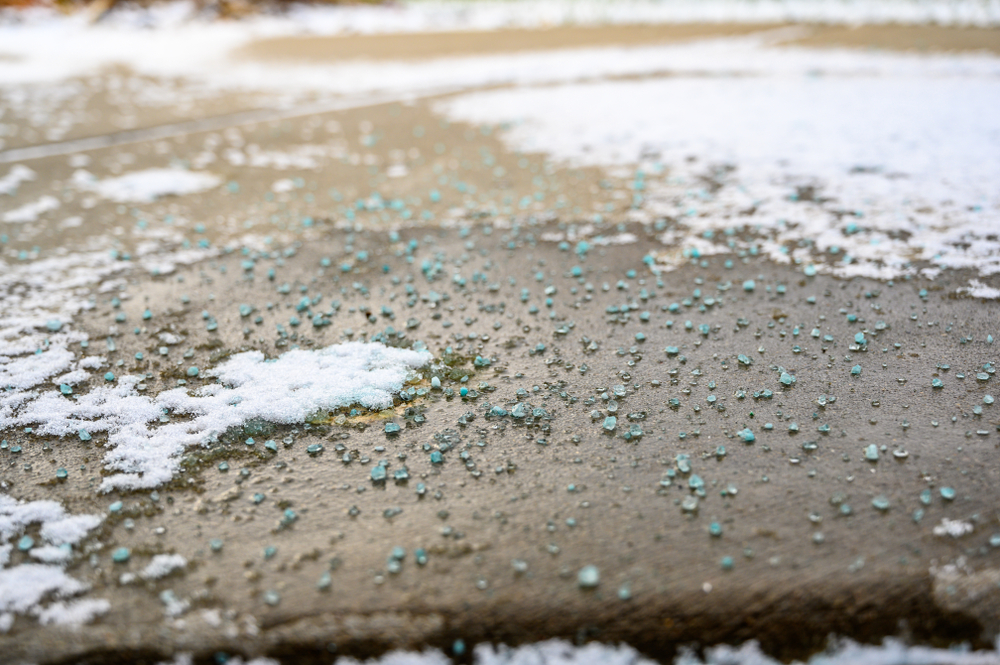
How Fall Weather Can Damage Asphalt in Memphis
Fall in Memphis can feel mild compared with winter, but asphalt surfaces are already dealing with major seasonal changes. Cooler nights, recurring rain, falling leaves, and the first freezes of the season can expose small pavement weaknesses and turn them into larger cracks, potholes, and drainage problems.
Quick answer: Fall weather can damage asphalt by allowing water to enter cracks, repeatedly expanding and contracting the pavement as temperatures change, and preparing weakened areas for winter freeze-thaw cycles. In Memphis, September temperatures can still feel like summer while November nights are considerably cooler, creating a meaningful seasonal transition. Property owners who address cracks, drainage issues, and surface deterioration before colder weather arrives can reduce the chance of more extensive pavement damage.
What local property owners should know
-
Small asphalt cracks can allow fall rainwater to reach the pavement base, where moisture can contribute to further deterioration.
-
Memphis averages about 3.98 inches of precipitation in October and 4.69 inches in November, according to National Weather Service climate normals.
-
The area’s first freezing temperatures typically arrive later in fall, making autumn an important time to identify vulnerable pavement.
-
Parking lots and driveways with poor drainage are especially susceptible because standing water gives moisture more opportunities to penetrate damaged asphalt.
-
Crack sealing and other preventive maintenance generally work best before minor surface defects develop into larger pavement failures.
Why Does Fall Weather Matter for Asphalt in Memphis?
Fall weather matters for asphalt in Memphis because pavement can experience warm afternoons, cooler nights, rainfall, and eventually freezing temperatures within the same season. Those changes place stress on existing cracks and joints while allowing moisture to move beneath a damaged surface.
National Weather Service climate normals show how quickly local conditions change. The average high is about 86°F in September, compared with 75.1°F in October and 62.6°F in November. Average nighttime lows fall from 65.9°F in September to 42.9°F by November.
That transition matters for paved surfaces throughout Shelby County, including commercial parking lots near Downtown and East Memphis, residential driveways in areas such as Cordova and Germantown, and heavily used pavement around Bartlett and Collierville.
At Star Paving and Sealing Company, we understand that pavement maintenance should account for these local seasonal conditions rather than waiting until visible damage becomes severe.
What Does Local Weather Data Show About Fall Pavement Conditions?
Local weather data shows that Memphis enters fall with declining temperatures, continued rainfall, and the possibility of freezing conditions before the season ends. These factors create conditions in which existing pavement weaknesses can become more noticeable.
National Weather Service 1991-2020 climate normals list average monthly precipitation of 3.03 inches in September, 3.98 inches in October, and 4.69 inches in November.
The National Weather Service has also reported that the average first freeze at its Memphis climate site occurs around November 12.
A single cold night does not automatically destroy pavement. The greater concern is moisture entering an already compromised surface and being exposed to repeated seasonal temperature changes as fall progresses toward winter.
How Can Fall Weather Affect Local Driveways and Parking Lots?
Fall weather can accelerate existing asphalt deterioration by increasing moisture intrusion, widening cracks, weakening pavement edges, and stressing areas with drainage problems. The effects are especially noticeable on older or heavily traveled surfaces.
For homeowners, deterioration may appear as cracks spreading across a driveway or low spots that hold water after a storm. Commercial properties may see deterioration around entrances, loading areas, dumpster pads, parking spaces, and other locations exposed to regular vehicle traffic.
Leaves and debris can also block drainage paths. Around tree-lined neighborhoods and commercial properties across the Mid-South, clogged drainage areas can keep water on the pavement longer than intended.
What Are the Warning Signs of Fall Asphalt Damage?
The warning signs of fall asphalt damage include cracking, standing water, crumbling pavement, depressions, potholes, and areas where the surface appears to be breaking apart. Catching these conditions early gives property owners more maintenance options.
Watch for:
-
Cracks that have noticeably widened since summer.
-
Water remaining in low areas after rainfall.
-
Small pieces of asphalt breaking away along pavement edges.
-
Networks of interconnected cracks that resemble an alligator pattern.
-
Depressions or sunken areas where vehicles regularly travel.
-
Loose aggregate or an increasingly rough surface.
-
Small potholes beginning to form in previously cracked areas.
-
Vegetation growing through cracks or pavement joints.
A quick walk around a driveway or parking lot after a Memphis fall rain can make drainage problems and open cracks easier to identify.
When Should You Call an Asphalt Professional?
You should call an asphalt professional when cracks are widening, water repeatedly collects on the pavement, potholes are forming, or significant sections of the surface are breaking apart. These conditions can indicate that the problem extends beyond normal surface aging.
Property owners can safely monitor small changes, clear leaves from drainage paths, and look for standing water. Determining whether pavement needs crack sealing, patching, sealcoating, resurfacing, or more substantial repair requires evaluating the condition of the pavement and its underlying problems.
An inspection before winter can be particularly useful when a Memphis property already shows multiple forms of deterioration.
What Common Fall Conditions Damage Asphalt in Memphis?
The most common fall conditions that contribute to asphalt damage in Memphis are moisture intrusion, temperature changes, drainage problems, traffic stress, and late-season freezing. Existing pavement condition determines how strongly each factor affects the surface.
1. Rain and moisture intrusion: Water can enter open cracks and reach material beneath the asphalt.
2. Day-to-night temperature changes: Asphalt naturally responds to changing temperatures. Existing weak areas can become more noticeable as conditions fluctuate.
3. Poor drainage: Low spots, clogged drainage paths, and pavement depressions allow water to remain on the surface.
4. Vehicle traffic: Repeated loads can place additional stress on pavement already weakened by cracking or moisture.
5. Early freezing conditions: As the Mid-South moves toward winter, water inside pavement openings may freeze and contribute to further expansion of damaged areas.
How Can Property Owners Protect Asphalt During Fall?
Property owners can protect asphalt during fall by keeping pavement clean, addressing drainage problems, sealing appropriate cracks, and scheduling needed maintenance before colder weather becomes persistent. Preventive work is generally most effective when pavement deterioration is still manageable.
Start by removing leaves, dirt, and debris from the surface. Check gutters, curbs, drains, and low areas after rain to make sure water can move away from the pavement.
Look closely at cracks and pavement edges. Small openings should not automatically be treated with whatever patching material happens to be available at a hardware store. Different types of cracking can indicate different underlying problems.
For larger parking lots in Shelby County, scheduled inspections can also help property managers identify isolated trouble areas before winter weather increases the stress on them.
What Results Can You Expect From Asphalt Maintenance?
Proper asphalt maintenance can help slow deterioration, reduce moisture intrusion, improve surface appearance, and extend the useful service life of pavement that remains structurally suitable for maintenance. Results depend on the existing condition of the asphalt.
Crack sealing can help limit water entry through appropriate cracks. Sealcoating can provide a renewed surface layer when used on pavement that is a suitable candidate. Patching can address isolated failed areas.
Severely deteriorated pavement may require more extensive repairs instead of another surface treatment. A professional evaluation helps determine which approach fits the actual condition.
What Asphalt Maintenance Mistakes Should Memphis Property Owners Avoid?
The biggest asphalt maintenance mistakes are waiting too long, ignoring drainage, covering structural damage with surface treatments, and assuming every crack requires the same repair.
Mistake: Ignoring small cracks.
Consequence: Water may continue entering the pavement and worsen deterioration.
Better approach: Evaluate and address developing cracks before they spread.
Mistake: Applying sealcoat over major pavement failure.
Consequence: The underlying structural problem remains.
Better approach: Repair failed sections before considering protective surface treatments.
Mistake: Overlooking standing water.
Consequence: Moisture repeatedly reaches vulnerable areas.
Better approach: Determine why drainage is poor and correct the source when possible.
Mistake: Waiting until winter damage appears.
Consequence: Smaller fall maintenance needs may become larger repair needs.
Better approach: Inspect Memphis pavement during fall while seasonal problems are easier to spot.
What Is a Common Fall Asphalt Scenario in Memphis?
A common local scenario is a parking lot that develops several small cracks during summer, then begins holding water after repeated autumn rain. As nighttime temperatures fall, those openings become more vulnerable to additional deterioration.
This is not a specific Star Paving and Sealing Company project or case study. It illustrates a common progression property owners may encounter throughout the Memphis area.
Addressing the cracks and drainage issue at the earlier stage may offer more options than waiting for potholes or widespread pavement failure to develop.
Which Asphalt Services Can Help With Fall Damage?
Asphalt services such as crack sealing, patching, sealcoating, pavement repair, and other appropriate maintenance can help address different stages of fall deterioration. The correct solution depends on whether the problem is primarily at the surface or involves deeper pavement failure.
We can evaluate the existing pavement condition and help determine which service makes sense instead of treating every driveway or parking lot the same way.
Should You Repair Asphalt Yourself or Hire a Professional?
DIY maintenance can be reasonable for basic cleaning and visual monitoring, while professional service is more appropriate when cracks are widespread, drainage is poor, potholes are developing, or the correct repair method is unclear.
A homeowner can remove leaves and inspect a driveway after rain. A property manager can document developing trouble spots in a parking lot.
Professional evaluation becomes more valuable when the issue may involve pavement depth, base failure, large damaged areas, or choosing between patching and a more extensive repair.
What Areas Do We Serve Around Memphis?
We serve property owners in Memphis and surrounding communities where asphalt surfaces face the same Mid-South seasonal conditions. Nearby areas may include Germantown, Bartlett, Cordova, Collierville, and other parts of Shelby County.
What Can Happen If Fall Asphalt Damage Is Ignored?
Ignoring fall asphalt damage can allow cracks to expand, moisture to reach deeper pavement layers, potholes to develop, and repair needs to become more extensive. The risk increases when damaged pavement carries existing weaknesses into winter.
For commercial properties, worsening pavement can also interfere with parking areas, traffic flow, and the overall condition of customer or employee access points.
Taking action does not mean every imperfect surface requires immediate replacement. It means identifying problems early enough to choose an appropriate response.
FAQ
Does fall weather really damage asphalt in Memphis?
Yes. Fall weather can contribute to asphalt deterioration when rain enters existing cracks and falling temperatures repeatedly stress damaged pavement. Memphis also moves toward its typical first freeze in November, so unresolved moisture and cracking can become more concerning as winter approaches.
When should I inspect my Memphis driveway for fall damage?
Early to mid-fall is a useful time to inspect your driveway, with another check after periods of rain. Look for cracks, depressions, standing water, crumbling edges, and small potholes. Finding developing damage before colder conditions arrive may provide more repair and maintenance options.
How much rain does Memphis normally receive during fall?
National Weather Service climate normals show about 3.03 inches of precipitation in September, 3.98 inches in October, and 4.69 inches in November. Rainfall matters because water can enter unsealed cracks and contribute to pavement deterioration.
When does freezing weather usually begin in Memphis?
The National Weather Service has identified approximately November 12 as the average first freeze date at its Memphis climate site. Actual timing varies from year to year, which is why property owners should not wait for the first freeze before evaluating damaged asphalt.
Should cracks be sealed before winter in Shelby County?
Appropriate cracks are often worth addressing before winter because sealing can help reduce water intrusion. However, crack sealing is not the correct solution for every form of pavement failure. Widespread alligator cracking, depressions, or failed areas may require repair rather than simple crack treatment.
Can standing water damage a Memphis parking lot?
Yes. Repeated standing water can worsen vulnerable pavement by keeping moisture near cracks, joints, depressions, and damaged areas. If puddles regularly remain after rain, the underlying cause should be evaluated rather than repeatedly addressing only the visible surface damage.
Is sealcoating enough for damaged asphalt?
Not always. Sealcoating is a preventive surface treatment, not a structural repair for severely cracked, sunken, or failed pavement. A damaged parking lot or driveway may need crack treatment or patching before sealcoating, while more advanced deterioration can require more extensive repair.
Are fall leaves bad for asphalt?
Leaves themselves do not typically cause structural pavement failure, but accumulated leaves can trap moisture and block drainage paths. On tree-lined properties around Memphis, Bartlett, Germantown, and similar communities, regular fall cleanup helps keep drains and pavement edges visible and allows water to leave the surface more effectively.
Protect Your Memphis Pavement Before Winter Arrives
Fall is an opportunity to catch pavement problems before rain, colder nights, and eventual freezing conditions place additional stress on damaged asphalt. We can help evaluate cracks, drainage concerns, surface deterioration, and other pavement issues so you can make an informed maintenance decision.
Get Your Asphalt Ready for Memphis Winter Weather
A timely fall inspection can help you understand what your pavement needs before minor deterioration becomes a larger repair concern.
Categorised in: Asphalt Paving