How to Prepare Your Memphis Parking Lot for Winter Weather
Winter weather in Memphis can be unpredictable, with mild afternoons quickly giving way to freezing temperatures, heavy rain, and occasional ice storms. For commercial property owners, these changing conditions can create serious challenges for asphalt parking lots. Without proper preparation, moisture, temperature fluctuations, and increased traffic can turn minor pavement problems into expensive repairs.
Preparing your Memphis parking lot for winter weather starts with inspecting the asphalt, repairing existing cracks and potholes, improving drainage, and addressing worn pavement markings. Scheduling preventive maintenance before freezing temperatures arrive can help protect your investment, reduce safety hazards, and keep your property accessible throughout the colder months.
Memphis property owners should focus on several important winter preparation tasks:
-
Inspect asphalt surfaces for cracks, potholes, and areas where water collects before winter storms arrive.
-
Address drainage problems that can worsen during heavy rainfall and freezing conditions in Shelby County.
-
Schedule appropriate asphalt repairs and sealcoating during suitable weather conditions rather than waiting until temperatures drop.
-
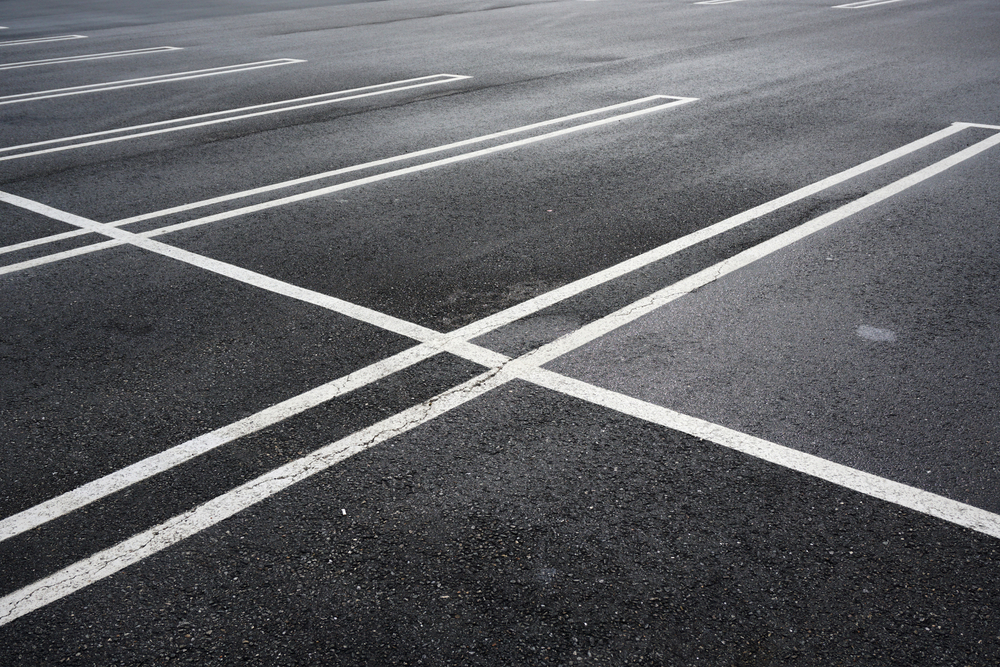
Check parking lot striping, pedestrian crossings, and accessible parking spaces for visibility and wear.
-
Develop a snow and ice management plan for businesses in Downtown Memphis, East Memphis, and surrounding communities.
At Star Paving and Sealing Company, we understand the importance of maintaining commercial pavement through changing seasonal conditions. Taking preventive steps before winter can help property owners minimize disruptions and extend the useful life of their asphalt surfaces.
Why Is Winter Parking Lot Preparation Important in Memphis?
Winter parking lot preparation in Memphis is important because fluctuating temperatures, seasonal rainfall, and occasional freezing conditions can accelerate existing asphalt damage. Although the Mid-South generally experiences milder winters than northern regions, moisture entering pavement cracks can still freeze, expand, and contribute to surface deterioration.
One of the biggest challenges for local commercial properties is the combination of rain and sudden temperature changes. Water that enters small pavement openings can weaken the underlying materials. When temperatures fall below freezing, expanding moisture may place additional pressure on damaged areas.
Parking lots throughout Midtown Memphis, Germantown, and Bartlett can experience these seasonal conditions. Properties with older asphalt, heavy vehicle traffic, or poor drainage may be particularly vulnerable.
Winter maintenance also supports pedestrian and driver safety. Standing water can turn into slippery patches during freezing weather, while existing potholes may become harder to identify during rain or low-light conditions.
Preparing pavement ahead of time gives business owners a better opportunity to address these concerns before they interfere with daily operations.
What Are the Warning Signs Your Parking Lot Needs Attention Before Winter?
Warning signs that a parking lot needs winter maintenance include visible cracks, developing potholes, standing water, faded striping, uneven surfaces, and loose asphalt. Identifying these problems during the fall allows Memphis property owners to prioritize repairs before colder weather limits certain maintenance options.
Common warning signs include:
-
Cracks spreading across parking spaces or driving lanes.
-
Potholes forming near entrances, exits, or high-traffic areas.
-
Water collecting in depressions after rainfall.
-
Asphalt edges crumbling near curbs or landscaped areas.
-
Faded parking lines or pedestrian crossing markings.
-
Uneven pavement that creates tripping hazards.
-
Loose aggregate or deteriorating asphalt surfaces.
-
Previous pavement repairs beginning to separate from surrounding asphalt.
Some surface problems may appear relatively minor during dry weather. However, repeated exposure to moisture and vehicle traffic can make them worse.
For example, a small crack near a loading zone may gradually widen as delivery vehicles pass over it. Once rainwater enters the opening, deterioration can spread beneath the pavement surface.
Property managers should document these conditions during routine inspections and determine which areas require professional evaluation.
How Do Memphis Weather Conditions Affect Asphalt Parking Lots?
Memphis winter weather affects asphalt parking lots primarily through moisture exposure, temperature fluctuations, and occasional freeze-thaw cycles. These conditions can weaken already damaged pavement, particularly when water enters cracks or collects in poorly drained areas.
Unlike regions that experience continuous freezing temperatures for several months, Memphis often moves between warmer and colder conditions during winter.
This changing weather creates several maintenance concerns.
Rainfall can saturate vulnerable pavement areas, especially where cracks allow moisture to penetrate below the asphalt surface. When temperatures fall, trapped water may freeze and expand.
Heavy vehicle traffic can add stress to weakened pavement. Commercial properties with delivery trucks, service vehicles, and frequent customer turnover may experience faster deterioration in already compromised areas.
Drainage is another important consideration. Parking lots with low spots or blocked drainage structures may hold water long after a storm has passed.
In areas near the Mississippi River and throughout the broader Mid-South, seasonal moisture management is an important part of protecting paved commercial surfaces.
Although winter weather does not automatically damage well-maintained asphalt, existing problems can become more noticeable when moisture and freezing temperatures occur together.
What Parking Lot Maintenance Should Be Completed Before Winter?
Parking lot maintenance before winter should include a thorough pavement inspection, appropriate crack repairs, pothole repairs, drainage improvements, and an evaluation of pavement markings. Memphis business owners should schedule weather-sensitive services early enough to allow proper application and curing before cold or wet conditions arrive.
Inspect the Entire Asphalt Surface
A complete pavement inspection helps identify damage that may not be obvious during everyday use.
Property owners should examine parking spaces, travel lanes, loading areas, entrances, and pavement edges.
Pay particular attention to areas where vehicles frequently turn, brake, or remain parked for extended periods. These locations can experience concentrated wear.
Inspecting after rainfall can also reveal drainage problems that are difficult to identify when the surface is dry.
Repair Cracks Before Moisture Enters
Crack repair is one of the most practical ways to prepare asphalt for winter.
Open cracks allow rainwater to enter the pavement structure. Depending on their size and condition, suitable crack-sealing or filling methods can help limit additional moisture intrusion.
However, not every crack can be corrected with a simple surface treatment. Extensive interconnected cracking may indicate deeper pavement deterioration.
Professional evaluation helps determine whether localized repairs or more substantial pavement work is appropriate.
Address Existing Potholes
Potholes should be evaluated before winter because continued traffic and moisture exposure can increase their size.
A deteriorating pothole can create uncomfortable driving conditions, damage vehicles, and present potential hazards for pedestrians.
The appropriate repair method depends on the pothole’s depth, surrounding pavement condition, and underlying cause.
Permanent asphalt repairs generally require suitable weather, materials, and surface preparation. Temporary cold-weather repairs may be useful when immediate action is necessary, but they may not provide the same long-term performance.
Evaluate Sealcoating Needs
Sealcoating can help protect suitable asphalt surfaces from environmental exposure and everyday wear.
However, sealcoating is not a substitute for repairing structural pavement damage, and it should not be applied simply because winter is approaching.
Most conventional asphalt sealcoating products require specific temperature and dry-weather conditions for proper application and curing.
Memphis property owners should plan these projects during appropriate seasonal weather windows rather than attempting applications during freezing or rainy conditions.
Check Parking Lot Striping
Visible pavement markings help drivers navigate commercial parking lots safely and efficiently.
Before winter, property managers should inspect parking space lines, directional arrows, pedestrian crossings, and accessible parking markings.
Worn markings can become more difficult to see during heavy rain, early sunsets, and reduced visibility.
Restriping may be appropriate when markings have faded significantly, provided weather and surface conditions meet the requirements of the materials being used.
How Can Proper Drainage Prevent Winter Asphalt Damage?
Proper drainage helps prevent winter asphalt damage by directing rainwater away from vulnerable pavement areas and reducing standing water that may freeze during cold weather. In Memphis, where winter rainfall can be a significant maintenance concern, functioning drainage systems are essential for protecting commercial parking lots.
Property managers should inspect catch basins, drainage channels, curb openings, and nearby landscaped areas.
Leaves, sediment, and debris can accumulate during the fall, restricting water flow when heavy rain arrives.
Parking lots with recurring puddles may have grading problems, localized pavement depressions, or drainage structures that require attention.
Water collecting near entrances and pedestrian walkways deserves particular attention because these areas experience frequent foot traffic.
For businesses in Cordova, Collierville, and other Shelby County communities, keeping drainage paths clear can help reduce moisture-related pavement deterioration.
However, clearing debris alone will not correct every drainage problem. Persistent pooling may require professional assessment of pavement elevations and runoff patterns.
What Are Common Winter Parking Lot Maintenance Mistakes?
Common winter parking lot maintenance mistakes include postponing crack repairs, ignoring drainage problems, applying pavement treatments in unsuitable weather, and failing to plan for occasional snow or ice. Avoiding these mistakes can help Memphis businesses protect their asphalt and reduce unexpected maintenance expenses.
One frequent mistake is waiting until potholes become large enough to interfere with vehicle traffic. Small damaged areas may be easier to address before surrounding pavement deteriorates.
Another mistake is treating sealcoating as a solution for every asphalt problem. While sealcoating has protective benefits, it cannot restore a failing pavement base or permanently repair significant cracking.
Some property owners also overlook the importance of cleaning drainage structures before winter storms. Blocked drains can allow water to accumulate across parking areas, increasing the potential for slippery conditions when temperatures fall.
Improper deicing practices can create additional problems. Excessive chemical application may affect surrounding landscaping, concrete, and drainage systems. Property managers should use products appropriate for their surfaces and follow manufacturer guidance.
Finally, delaying professional inspections until winter weather arrives can limit repair options. Many asphalt maintenance services depend on suitable temperatures and dry conditions.
Planning ahead provides greater flexibility when scheduling work.
When Should You Call a Professional for Winter Parking Lot Preparation?
Professional parking lot maintenance is recommended when Memphis property owners discover significant cracking, recurring potholes, persistent drainage problems, or widespread surface deterioration. These conditions may require specialized equipment, materials, and repair methods that go beyond routine property maintenance.
Basic tasks such as removing debris, documenting damaged areas, and checking drainage openings can often be handled by property maintenance personnel.
However, asphalt repairs require an understanding of pavement conditions and the factors contributing to deterioration.
For example, repeatedly filling the same pothole without addressing an unstable underlying base may provide only temporary relief.
Similarly, standing water caused by improper grading may require more than cleaning a nearby drain.
A professional pavement evaluation can help distinguish between isolated surface damage and problems that require more extensive repairs.
At Star Paving and Sealing Company, we encourage commercial property owners to evaluate pavement conditions before seasonal weather becomes more challenging. Our goal is to help customers understand their maintenance priorities and make informed decisions about protecting their parking lots.
What Results Can You Expect From Preventive Parking Lot Maintenance?
Preventive parking lot maintenance can help reduce moisture intrusion, improve surface conditions, support safer traffic movement, and delay some forms of asphalt deterioration. For Memphis businesses, these benefits can translate into fewer unexpected disruptions and better long-term pavement management.
Crack repairs may reduce the amount of water entering vulnerable pavement areas. Pothole repairs can improve driving conditions and address localized hazards.
Drainage improvements can help limit standing water, while refreshed pavement markings can make parking areas easier to navigate.
The results depend on the age and condition of the asphalt, the quality of previous construction, traffic demands, and the maintenance methods selected.
Preventive maintenance cannot eliminate every winter-related risk. Severe weather, heavy traffic, and underlying pavement problems may still require future repairs.
However, identifying and addressing manageable issues early can help property owners avoid allowing minor damage to progress unchecked.
A Common Winter Parking Lot Scenario in Memphis
A common winter parking lot scenario in Memphis involves a commercial property that develops small cracks during the warmer months but receives little maintenance before fall.
As seasonal rainfall increases, water begins collecting in several pavement depressions. Leaves and debris partially block a nearby drainage inlet, causing water to remain on the surface longer than usual.
When temperatures drop below freezing, moisture trapped within damaged pavement areas can expand. Vehicle traffic then places additional pressure on weakened sections.
Over time, some cracks may widen, and small areas of pavement can begin breaking apart.
This is an illustrative scenario rather than a documented customer project, but it demonstrates why winter preparation involves more than simply clearing snow or ice.
A more effective approach would involve inspecting the parking lot during fall, clearing drainage structures, evaluating cracks, and repairing damaged areas when weather conditions allow.
Taking these steps can help reduce the likelihood of preventable deterioration.
How Do You Choose Between Asphalt Repair and Replacement?
Choosing between asphalt repair and replacement depends on the extent of pavement damage, the condition of the underlying base, and the remaining useful life of the parking lot. Memphis property owners with isolated cracks or potholes may benefit from targeted repairs, while widespread structural deterioration may justify larger improvements.
Localized repairs are often appropriate when most of the pavement remains stable and damage is concentrated in specific areas.
More extensive rehabilitation may be necessary when large sections show interconnected cracking, repeated pavement failures, significant depressions, or ongoing drainage problems.
Resurfacing can sometimes improve a worn asphalt surface when the underlying pavement remains structurally suitable. However, resurfacing over a failing base may not resolve the original problem.
Complete reconstruction may be appropriate when substantial portions of the pavement structure have deteriorated.
The best approach should account for the property’s traffic patterns, maintenance history, budget, and long-term operational needs.
For shopping centers, office properties, apartment complexes, and industrial facilities, planning repairs in phases may also help limit interruptions to normal business activities.
What Happens If You Ignore Parking Lot Damage During Winter?
Ignoring parking lot damage during winter can allow existing cracks, potholes, and drainage problems to worsen as moisture and traffic continue affecting the pavement. For Memphis commercial properties, delayed maintenance may increase repair costs and create avoidable operational challenges.
Small cracks can become wider, and potholes may grow as surrounding asphalt deteriorates.
Standing water may also create slippery conditions during freezing weather, particularly near building entrances and frequently used pedestrian routes.
Damaged pavement can make a property appear poorly maintained and create inconvenience for customers, employees, and delivery drivers.
Businesses along busy commercial corridors such as Poplar Avenue and Summer Avenue may find that parking lot problems become especially disruptive when they affect heavily traveled entrances or parking areas.
Addressing damage early does not guarantee that future repairs will be unnecessary, but it can help property owners manage deterioration before it becomes more extensive.
Frequently Asked Questions About Winter Parking Lot Maintenance
When should I prepare my Memphis parking lot for winter?
The best time to prepare your Memphis parking lot for winter is during early to mid-fall, before freezing temperatures become more likely. This allows time to inspect pavement, address drainage problems, and schedule weather-sensitive asphalt maintenance. Some repairs may remain possible later, depending on conditions and materials.
Does Memphis get cold enough to damage asphalt?
Yes, Memphis can experience freezing temperatures that contribute to asphalt deterioration when moisture enters existing cracks or weakened pavement areas. Although prolonged freezing conditions are less common than in northern states, occasional freeze-thaw cycles can still affect damaged surfaces, particularly when drainage is poor.
Should I sealcoat my parking lot before winter?
Sealcoating may be beneficial before winter if the asphalt is in suitable condition and weather requirements can be met. Most conventional products require sufficiently warm temperatures and dry conditions for application and curing. A professional evaluation can help determine whether sealcoating or another maintenance service is appropriate.
How can I prevent potholes in my Memphis parking lot?
Preventing potholes involves repairing cracks, maintaining proper drainage, and addressing pavement deterioration before it spreads. Regular inspections are especially useful after heavy rainfall or freezing weather. Although maintenance cannot prevent every pothole, it can help reduce the conditions that contribute to their formation.
Why does water collect in my parking lot after heavy rain?
Standing water often results from pavement depressions, improper grading, clogged drainage structures, or settlement beneath the asphalt. Memphis property owners should first check for visible debris blocking drainage paths. If water repeatedly collects in the same location, professional assessment may be needed to identify the underlying cause.
Can asphalt repairs be completed during winter in Shelby County?
Some asphalt repairs can be performed during winter in Shelby County, depending on the weather, repair method, and available materials. Cold-weather patching may provide temporary relief for urgent pothole problems. However, many permanent repairs and surface treatments require specific temperature and moisture conditions for proper installation.
How often should commercial parking lots be inspected?
Commercial parking lots should generally receive routine visual inspections throughout the year, with additional checks after significant storms or freezing weather. A more detailed seasonal inspection before winter is useful for identifying cracks, drainage issues, and surface deterioration. High-traffic properties may benefit from more frequent monitoring.
Can snow and ice removal damage asphalt parking lots?
Snow and ice removal can damage asphalt when equipment is used improperly or when pavement already contains cracks, raised edges, or potholes. Plow blades may catch uneven surfaces, while aggressive mechanical removal can disturb weakened areas. Using appropriate equipment and careful removal practices helps reduce avoidable damage.
Do parking lot maintenance needs differ between Downtown Memphis and surrounding suburbs?
Parking lot maintenance needs vary primarily by pavement condition, drainage, traffic volume, and property use rather than location alone. Downtown Memphis properties may experience concentrated vehicle activity, while larger commercial lots in Germantown, Bartlett, or Collierville may have extensive drainage systems and broader paved areas requiring inspection.
Where Can Memphis Businesses Find Parking Lot Maintenance Services?
Memphis businesses can seek professional parking lot maintenance services to evaluate asphalt damage, identify repair priorities, and prepare paved surfaces for changing weather conditions. Property owners throughout Shelby County, including East Memphis, Midtown, Cordova, Bartlett, Germantown, and Collierville, can benefit from seasonal pavement inspections and preventive maintenance planning.
The right maintenance approach should reflect the property’s size, traffic demands, existing pavement condition, and available weather window.
Protect Your Memphis Parking Lot Before Winter Arrives
Preparing your parking lot for winter is an investment in pavement longevity, property accessibility, and everyday safety. By addressing cracks, potholes, drainage problems, and worn markings before freezing conditions arrive, Memphis property owners can reduce preventable damage and better manage maintenance expenses.
At Star Paving and Sealing Company, we believe proactive pavement care is one of the most practical ways to protect commercial asphalt surfaces. Whether your parking lot needs targeted repairs or a broader maintenance evaluation, we can help you explore the next steps toward keeping your property in good condition. Contact us today to discuss winter parking lot preparation in Memphis.
Categorised in: Asphalt Paving